The central nervous system plays an important role in chornic fatigue syndrom.
Physical or emotionel stress, which is commonly reported as a pre-onset condition in CFS patients, alters the activity of the hypothalamic-pituitary-adrenal axis, or HPA axis, leading to altered release of corticotropin-releasing hormone (CRH), cortisol, and other hormones. These hormones can influence the immune system and many other body systems.
Disturbances in the autonomic regulation of blood pressure and pulse have been found in CFS patients
The Stress Response – First Stage
1. The Amygdala
Area of emotional processing in the brain
Interprets images and sounds
Perceives danger and instantly sends a distress signal to the hypothalamus
2. Hypothalamus
The Command center of the body
Controls breathing, blood pressure, heartbeat, and blood vessel dilation/constriction
Communications with the Autonomic Nervous System
Activates the Sympathetic Nervous System
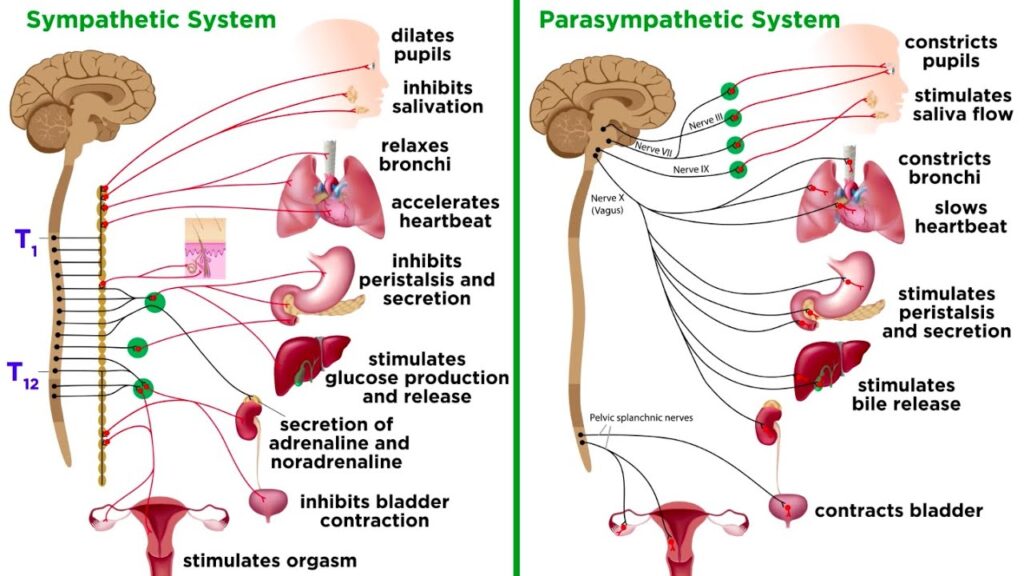
3. Autonomic Nervous System
Sympathetic: Fight or Flight
Parasympathetic: Rest and Digest
Stress activates sympathetic response
The Sympathetic Nervous System sends signals to the adrenal glands
2. Triggers release of Adrenocoricotropic hormone (ACTH) from the pituitary
3. Triggers release of cortisol from the adrenal glands
4. When the threat passes cortisol levels fall and theParasympathetic Nervous SystemDecreases the stress respone
Effects of Excess Cortisol
Diminishes cellular utillization of glucose
Increases blood sugar levels
Decreases protein synthesis
Increases protein breakdown that can lead to muscle wasting
Causes demineralization of bone that can lead to osteoporosis
Interferes with skin regeneration and healing
Causes shrinking of lympathatic tissue
Diminishes lymphocyte numbers and functions
Stress and the Adrenals: Adrenal Fatigue
If the adrenals are depleted from chronic stress these are the possible consequences
Depression
Chronic fatigue
Nervousness
Vertigo and dizziness
Memory loss
Dry and thin skin
Weakness
Inflammatory conditions
Osteoporosis
Hypoglycemia
Low body temperature
Weak Immune system
Difficulty gaining weight
Difficulty building muscle
Irritabillity
Confusion and Cognitive Impairment
Autoimmune hepatitis
Palpitations
Low blood pressure
PMS (premenstrual syndrome)
Headaches
Unexplained hair loss
Excessive hunger
Indigestion
Alternating diarrhea and constipation
Autoimmune diseases
Insomnia
Stress and the Thyroid
Depression
Heart disease
Chronic fatigue
Fibromyalgia
PMS (premenstrual syndrome)
Menopausal symptoms
Muscle and joint pains
Irritable bowel syndrome
Autoimmune disease
High cholesterol
Irregular Menstruation
Low Libido
Infertility
Gum Disease
Fluid retention
Skin conditions such as acne and eczema
Memory problems
Lethargy
Poor quality hair and nails
Hair loss
Cold hands and feet
Constipation
Other Effects of Chronic Stress
4 times less blood flow to your digestive system
Decreased metabolism
Decreased enzymatic output in your gut
Decreased nutrient absorption
Decreased oxygenation to your gut
Elevated cholesterol
Elevated triglycerides
Decreased gut flora populations
Increased food sensitivity
Disclaimer
I am not a mental health professional. I am not trained to treat mental illness. If you have concerned about your mental health please see a professional. That being said- you are welcome to discuss your mental health with me if you feel comfortable doing so.
I am not a medical professional. I am not qualified to diagnose individuals or prescribe medication. I am not a doctor. If you have a serious medical issue, please see a physician.